 US Dollars


What is Friction Stir Welding?
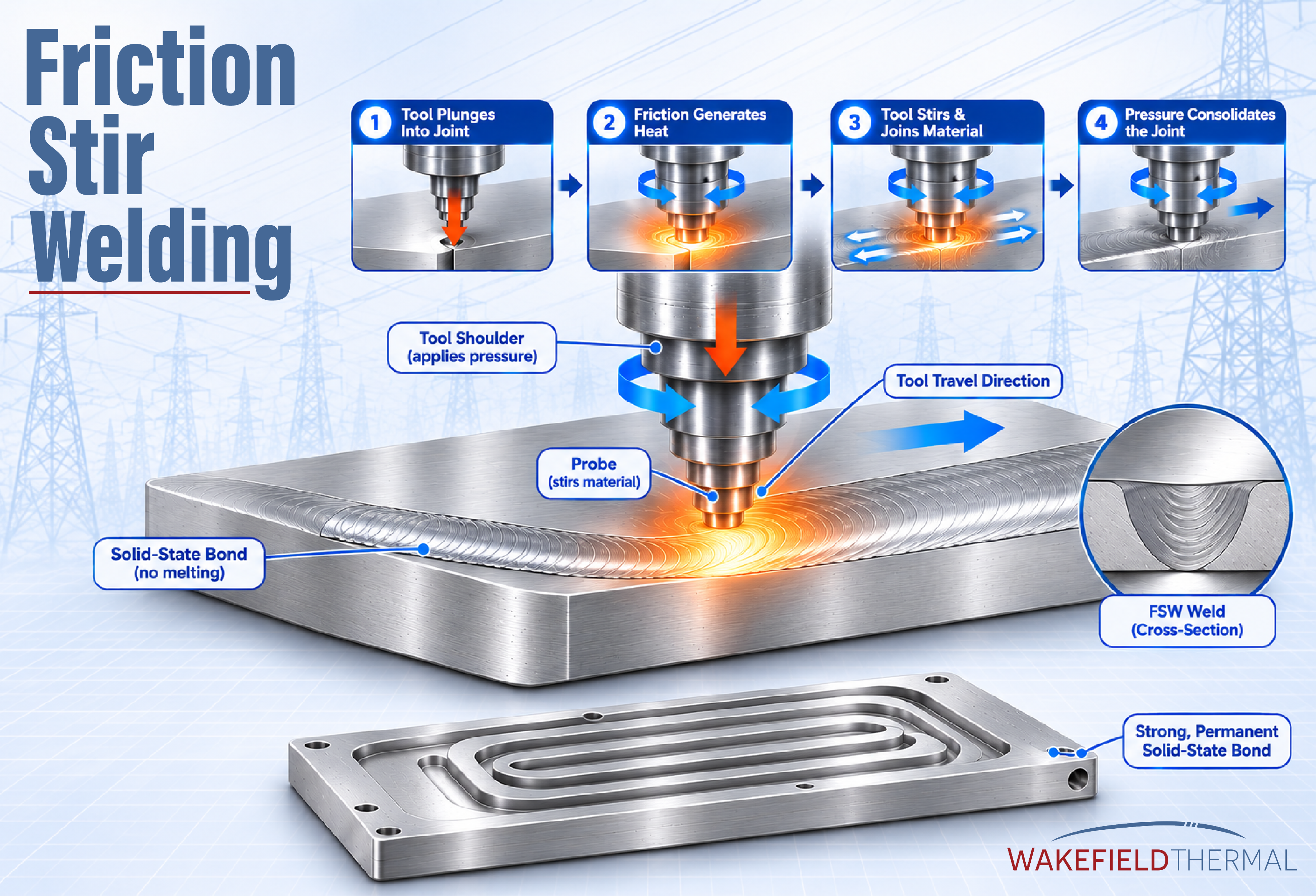
FSW is a solid-state joining process that bonds materials without melting them. Instead of creating a molten weld pool like traditional fusion welding, FSW uses a rotating tool, mechanical pressure, and friction-generated heat to soften and join the material.
The process begins when a rotating tool is plunged into the joint between two pieces of material. Friction and mechanical deformation generate localized heat, causing the surrounding metal to soften while remaining below its melting point.
As the tool travels along the joint, it mechanically stirs material from both sides together. Pressure from the tool then consolidates the softened material behind it, creating a continuous solid-state bond.
For thermal management applications, this provides an effective way to permanently join the sections of a liquid cold plate while reducing many of the challenges associated with melting and resolidifying the base material.
Friction Stir Welding Applications
Why Friction Stir Welding for Thermal Management?
The manufacturing method used to produce a liquid cold plate can directly affect its mechanical integrity, dimensional stability, and long-term reliability. FSW offers several characteristics that make it particularly valuable for advanced liquid cooling.
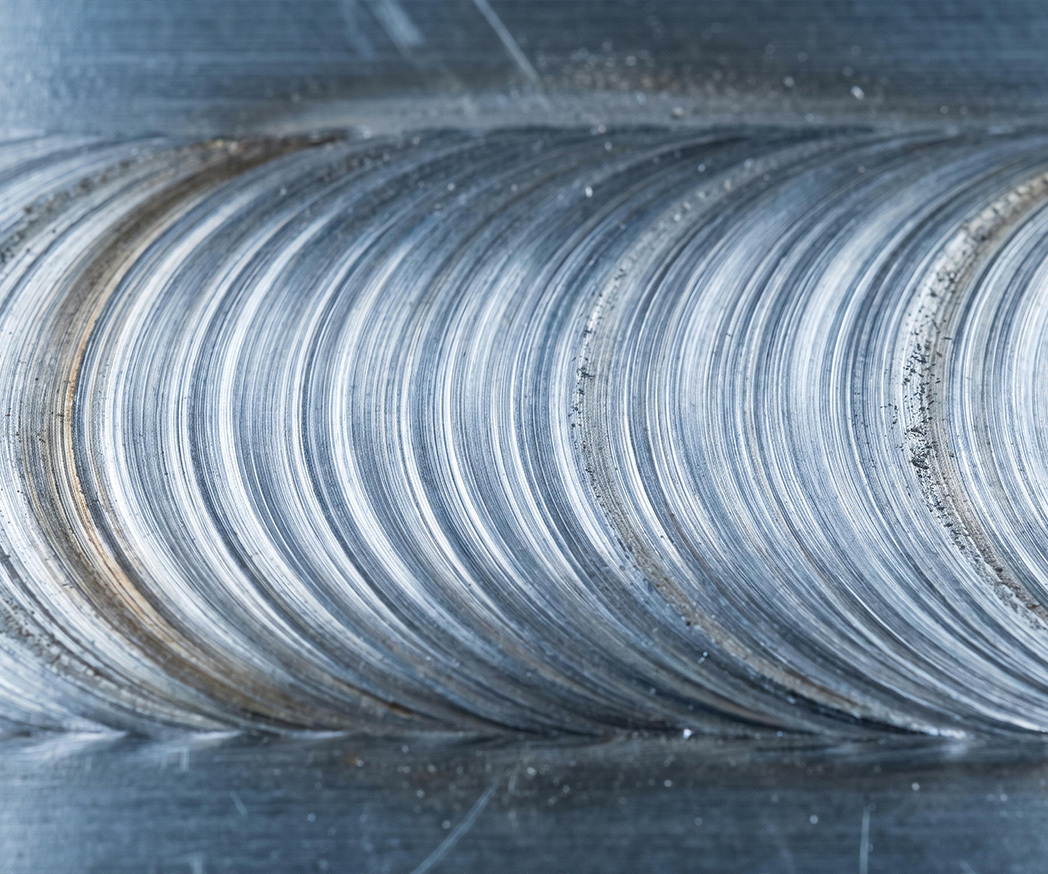
Solid-State Joining
Because FSW joins materials without melting them, it avoids many of the challenges associated with conventional fusion welding and resolidification. For cold plates, this provides an effective method for joining a machined base and cover into a permanent assembly.
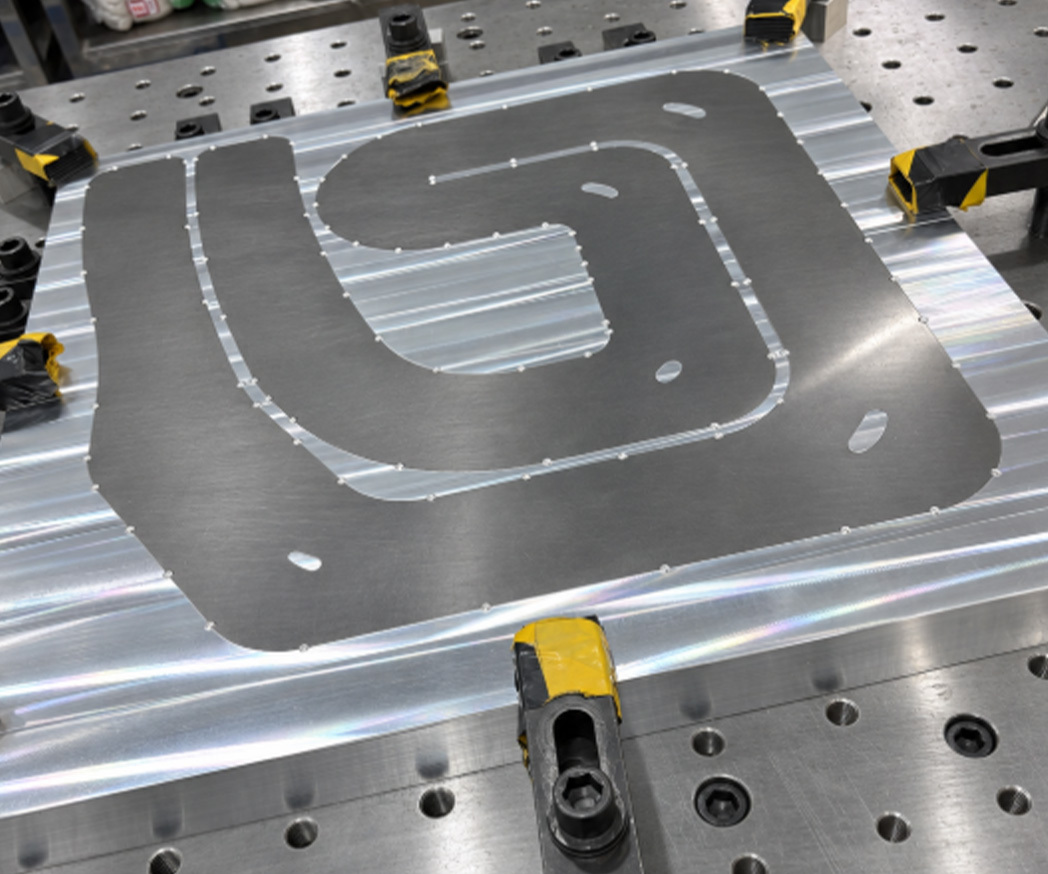
High-Integrity Joints
Liquid cold plates may be subjected to internal pressure, mechanical loads, temperature fluctuations, and repeated thermal cycling. FSW can produce strong joints with excellent fatigue characteristics, helping create robust assemblies for demanding operating environments.
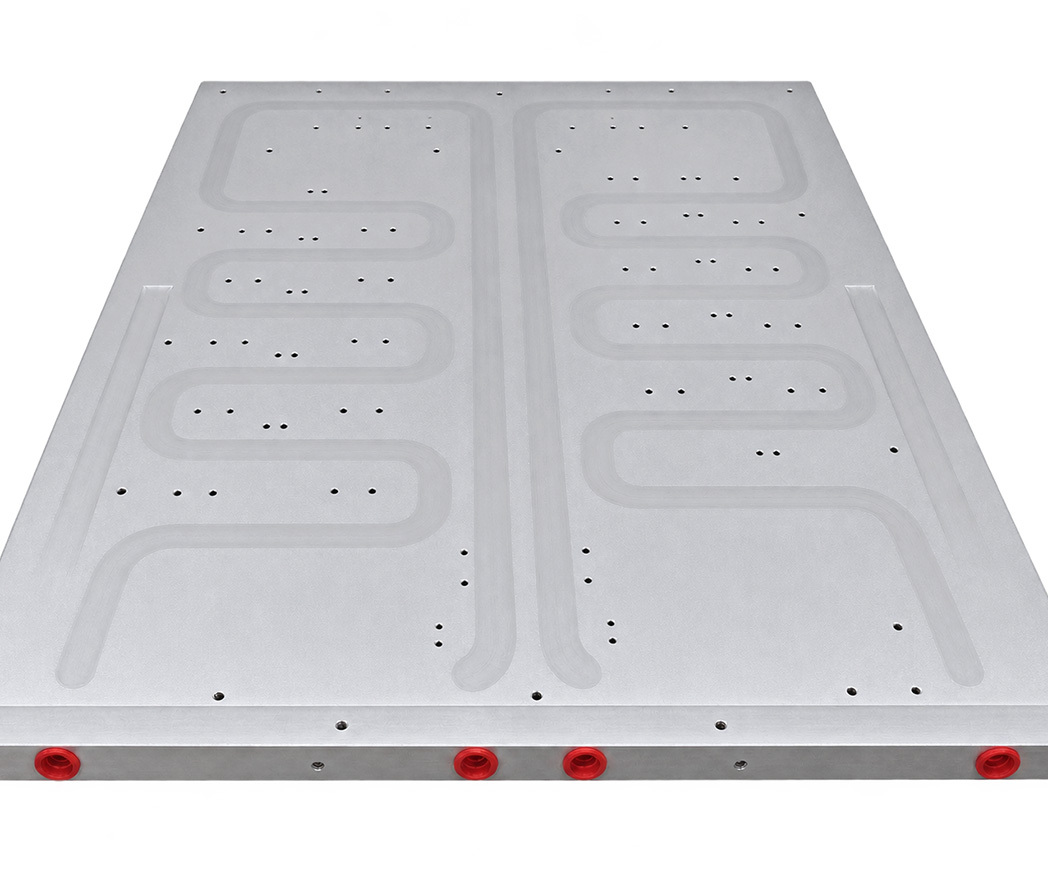
Reduced Thermal Distortion
Cold plates often require precise mounting surfaces to maintain effective contact with heat-generating components. Because FSW operates below the base material’s melting point, it can reduce heat-related distortion compared with conventional fusion welding.
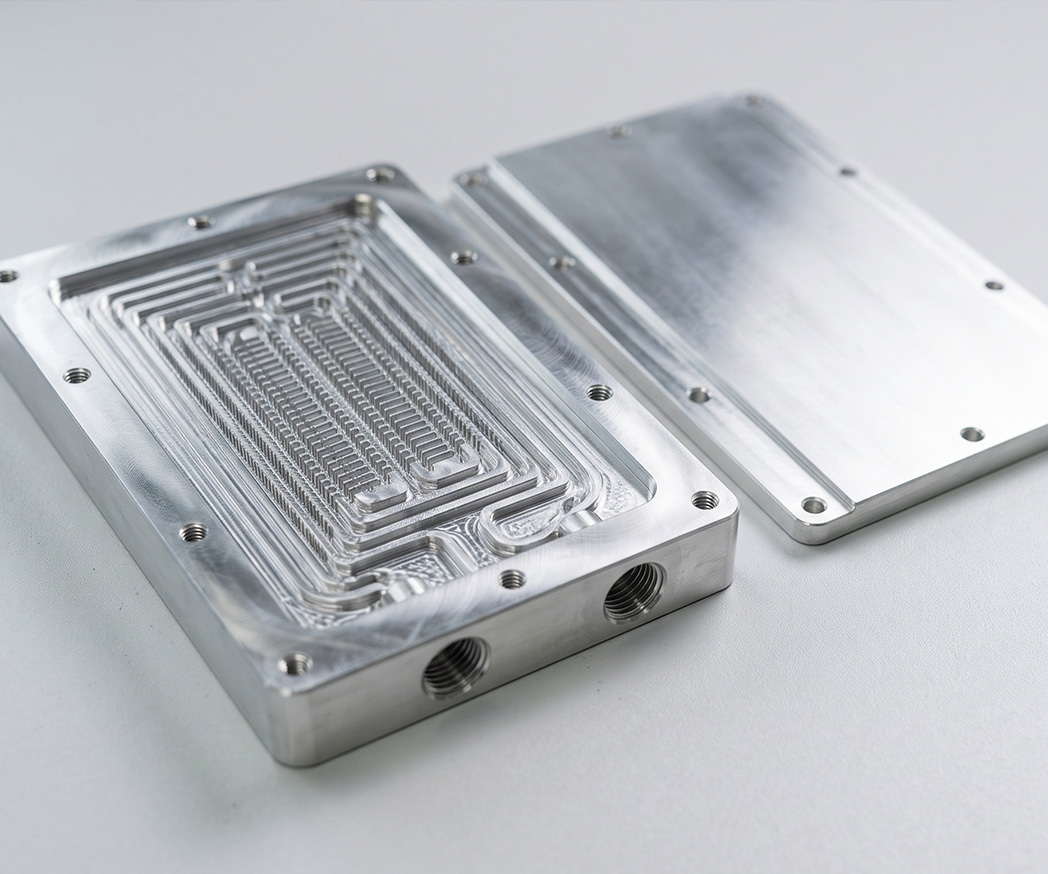
Reliable Coolant Containment
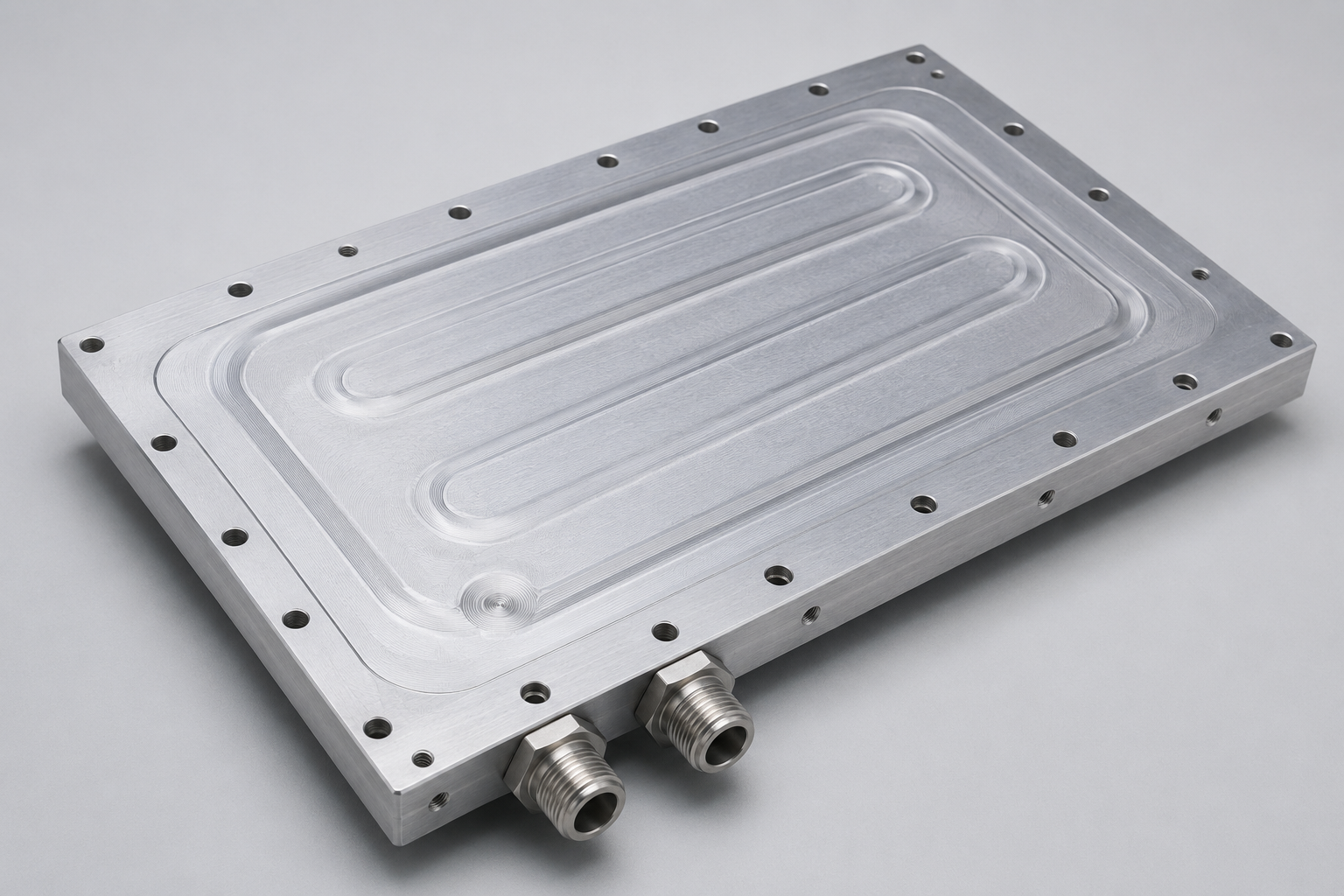
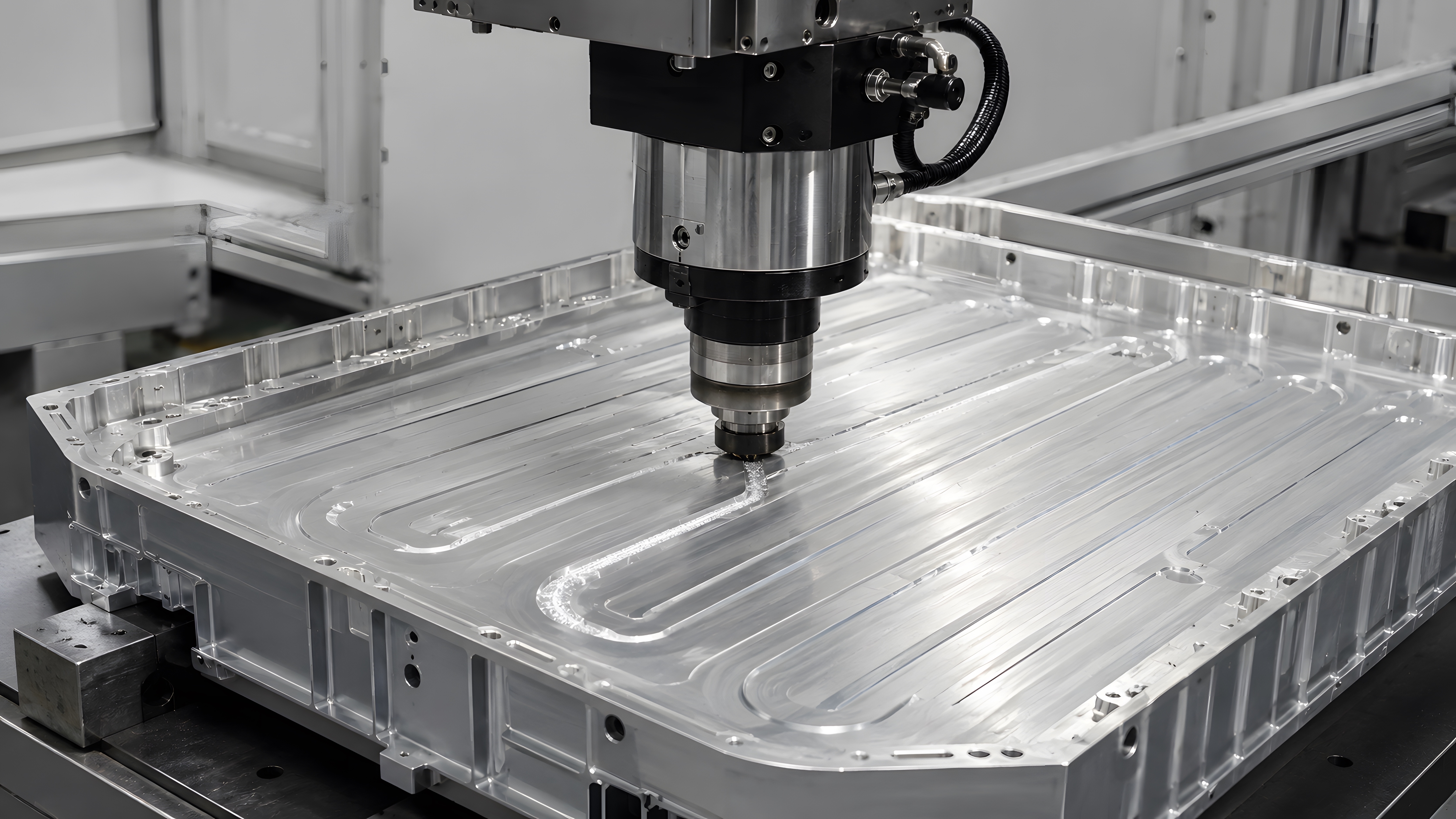
A liquid cold plate needs to transfer heat effectively while reliably containing its coolant. FSW allows internal cooling channels to be machined into the cold plate before a cover is permanently joined over them. This creates an enclosed flow network without depending on mechanical fasteners or seals along the primary joined interface.
Greater Design Flexibility
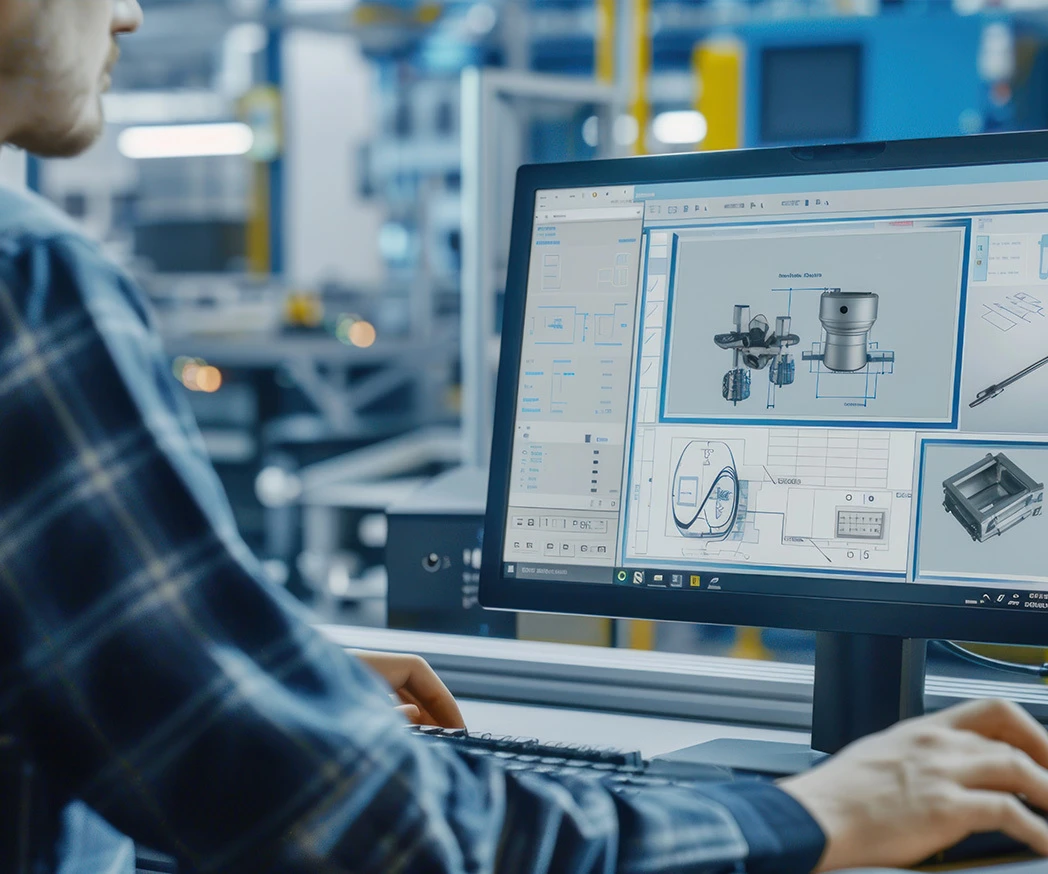
Machined internal passages give thermal engineers significant flexibility over how coolant travels through a cold plate. Channel geometry can be developed around the heat-generating components’ location, allowing designers to target high-heat areas and balance variables.
From Individual Components to Finished Thermal Assemblies
Developing a friction stir welded thermal solution begins with understanding the application's thermal requirements and the manufacturing limitations of the individual components.
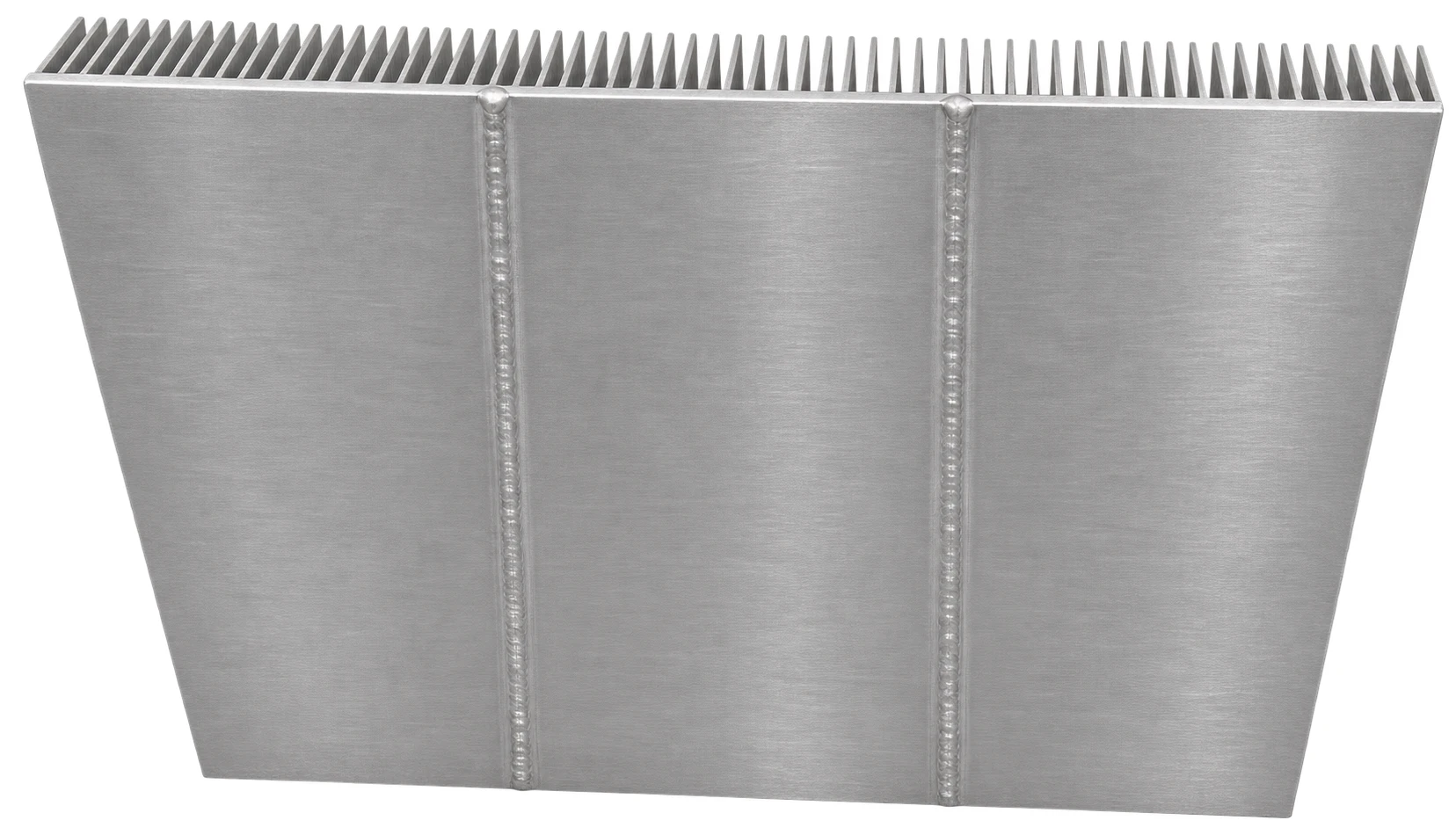
For air-cooled heat sinks, engineers must evaluate the required dimensions, fin geometry, base material, heat load, airflow conditions, and mechanical constraints. These factors help determine whether multiple extruded or skived fin sections should be joined to achieve the required configuration.
For liquid cold plates, once the thermal design is established, the FSW process must be developed around the material, joint configuration, and required weld depth. These inputs influence tool selection, CNC processing parameters, and joint accessibility.
This integrated approach allows FSW to be incorporated into the overall thermal manufacturing process rather than treated as a separate joining operation.
Start Your Friction Stir Welding Design
Whether your application requires a large-format air-cooled heat sink or a custom liquid cold plate, Wakefield's engineering team can help evaluate how friction stir welding fits into the overall design. To evaluate a friction stir welding solution, Wakefield’s engineering team can work from key design inputs, including heat load, heat-source locations, cold plate dimensions, material, coolant type, coolant temperature, flow rate, allowable pressure drop, operating pressure, flatness requirements, mounting features, ports, and mechanical constraints.
Our engineers can also evaluate the complete thermal application, including heat load, airflow or coolant conditions, available space, and production requirements, to determine whether FSW should be used independently or in combination with extrusion, skiving, or other manufacturing methods. From thermal analysis and low-path development to machining and friction stir welding, Wakefield can help take your liquid cooling solution from concept to production.
Expand your thermal design possibilities with Wakefield Thermal.