 US Dollars


What Is a Skived Heat Sink?
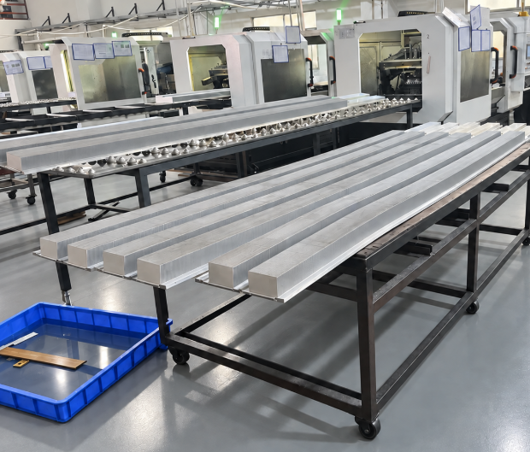
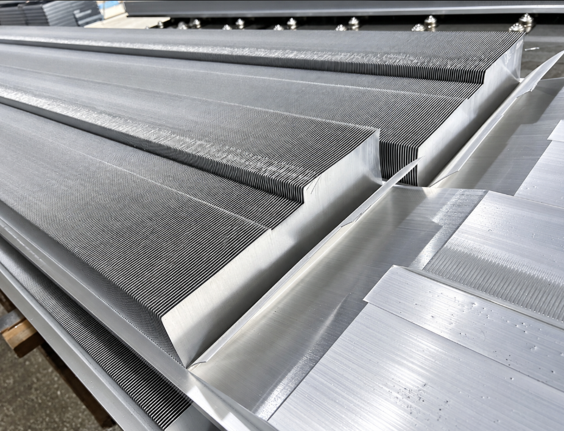
A skived fin heat sink is manufactured by cutting and forming thin fins directly from a solid bar of aluminum or copper. The fins and base remain part of the same continuous piece of material.
This eliminates the bonding layer between these parts while allowing us to create fin geometries that can exceed the practical aspect-ratio limitations of conventional aluminum extrusion.
The result is a heat sink capable of combining thin fins, tight fin spacing, high fin density, and tall fin structures to increase the surface area available for air-cooled heat transfer.
Aluminum or Copper Skived Fin Heat Sinks
Wakefield can support skived fin solutions in both aluminum and copper, giving engineers another way to balance thermal performance, weight, cost, and application requirements.
Aluminum
Aluminum provides an effective combination of thermal conductivity, low weight, manufacturability, and cost, making it appropriate for a wide range of forced-air cooling applications.
Copper
Copper provides significantly greater thermal conductivity and may be advantageous when high heat flux or spreading resistance makes thermal performance the dominant consideration.
Our thermal engineering team can evaluate the complete application to help determine which material and heat sink technology provides the appropriate balance of performance and cost.
Skived Fin Heat Sink Applications
Skived fin heat sinks are designed for high-power applications that require greater air-cooled thermal performance within a limited space. Their thin, closely spaced fins create increased surface area for heat transfer, making skived fin particularly effective for power electronics and industrial equipment with high heat loads.

Motor Drives
Remove heat generated by power electronics in variable frequency drives (VFDs), servo drives, and other industrial motor control systems while maintaining an air-cooled architecture.
IGBT Cooling
Manage concentrated heat loads from insulated-gate bipolar transistors (IGBTs) with high fin density and increased heat-transfer surface area.

UPS Systems
Support reliable thermal management for power conversion electronics in uninterruptible power supply (UPS) systems used in data centers, industrial facilities, and other critical environments.

Inverters
Dissipate heat from high-power switching components in industrial, renewable energy, transportation, and power conversion applications.
Rectifiers
Provide high-performance air cooling for AC-to-DC power conversion equipment where thermal loads can exceed the practical capabilities of conventional extruded heat sinks.
Welding Equipment
Manage heat generated by IGBTs, rectifiers, and other high-power electronic components inside industrial welding systems.
Industries That Benefit From Skived Fin Cooling
Skived fin heat sinks provide high-performance air cooling for industries where increasing power density, limited space, and demanding operating conditions are pushing conventional thermal solutions to their limits.
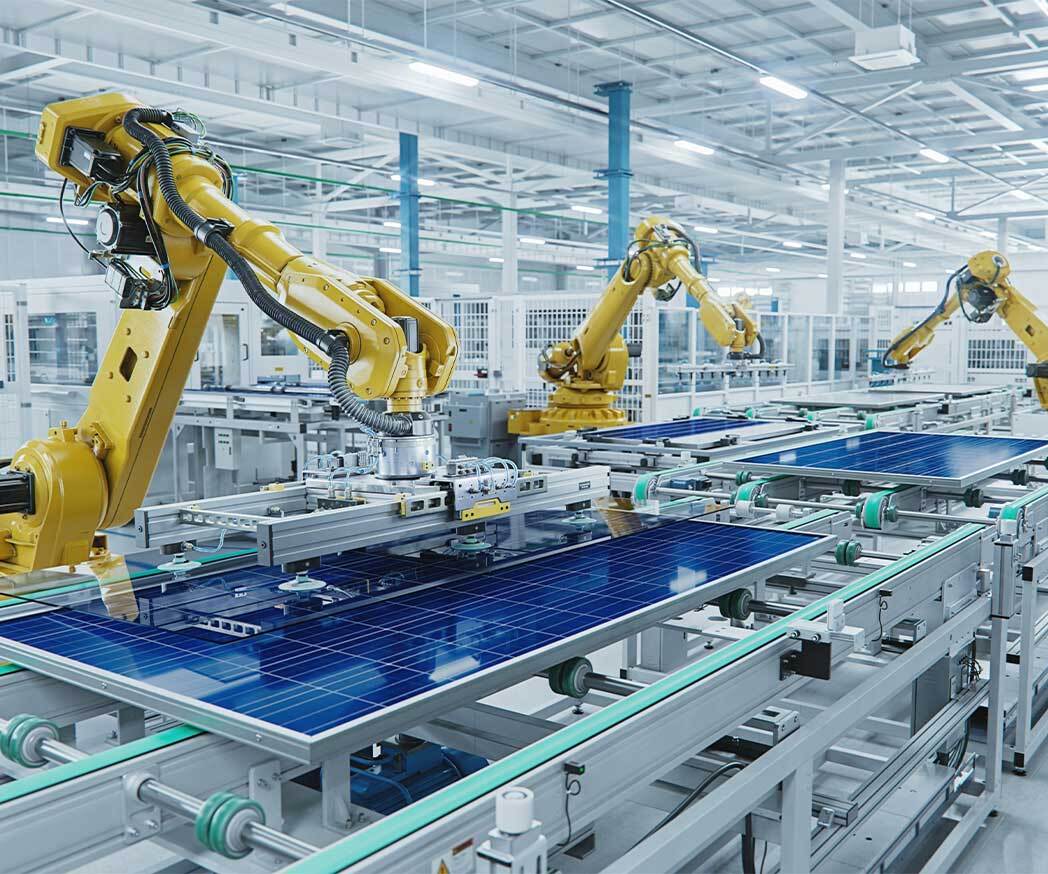
Industrial Automation
Cool high-power motor controls, drives, and automation equipment used in demanding manufacturing environments.

Power & Energy
Support power conversion, distribution, and control systems that require reliable cooling under continuous or high-load operation.

Data Centers & Critical Infrastructure
Manage heat in UPS systems, power conversion equipment, and other critical power electronics supporting reliable facility operation.

Renewable Energy
Provide efficient air cooling for inverters, converters, and power electronics used in solar, wind, energy storage, and other renewable energy systems.

Transportation & Electrification
Address increasing heat loads in power conversion and control electronics used across electric and electrified transportation systems.
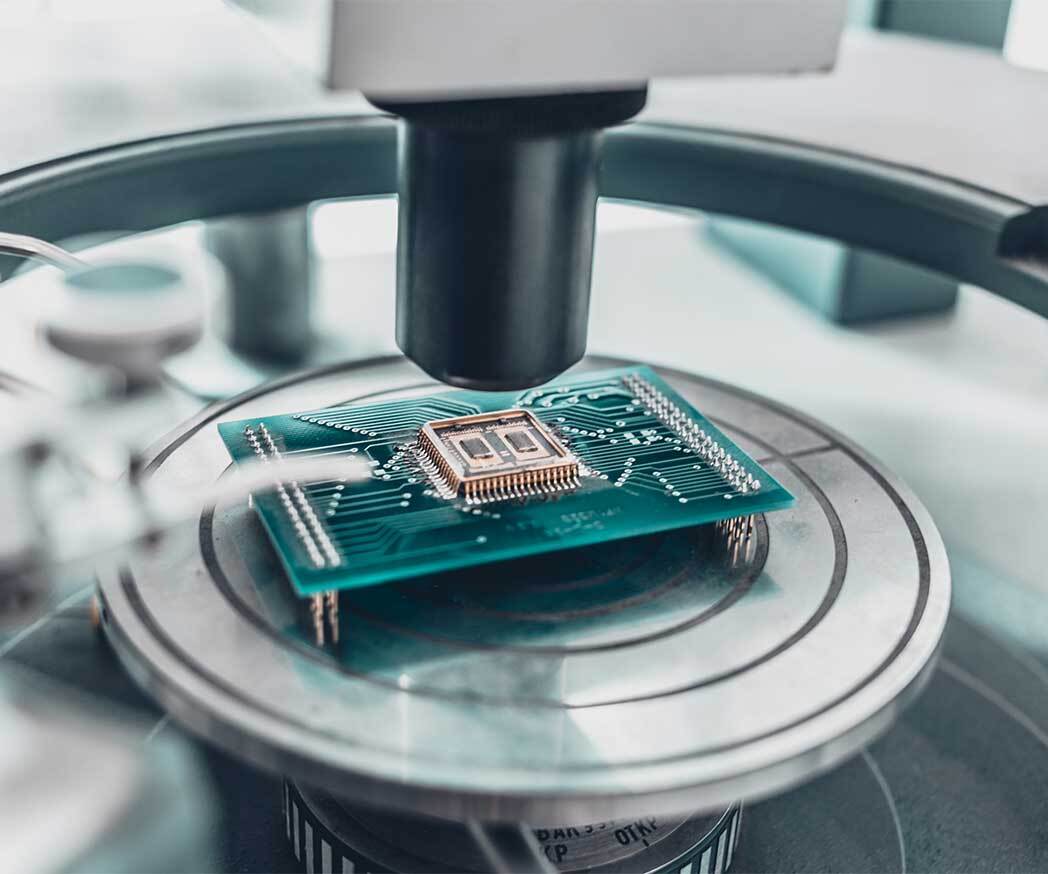
Semiconductor & Electronics
Support high-power electronic systems where increasing component density creates greater thermal demands within limited available space.
Domestic Skived Fin Manufacturing
Supply-chain performance matters alongside thermal performance.
Wakefield’s US skived fin manufacturing capabilities provide customers with a domestic source for advanced air-cooled heat sinks, reducing dependence on imported finished products and the uncertainties associated with long international supply chains.
Domestic production can help reduce exposure to tariffs, international freight costs, overseas transportation delays, port congestion, and unpredictable foreign manufacturing schedules while creating a more direct connection between engineering and manufacturing.
For customers developing new power electronics platforms, that proximity can also simplify collaboration as a design moves through thermal analysis, prototyping, optimization, and production.
Talk to a Wakefield Thermal Expert Today.